Bengal Cat Tips
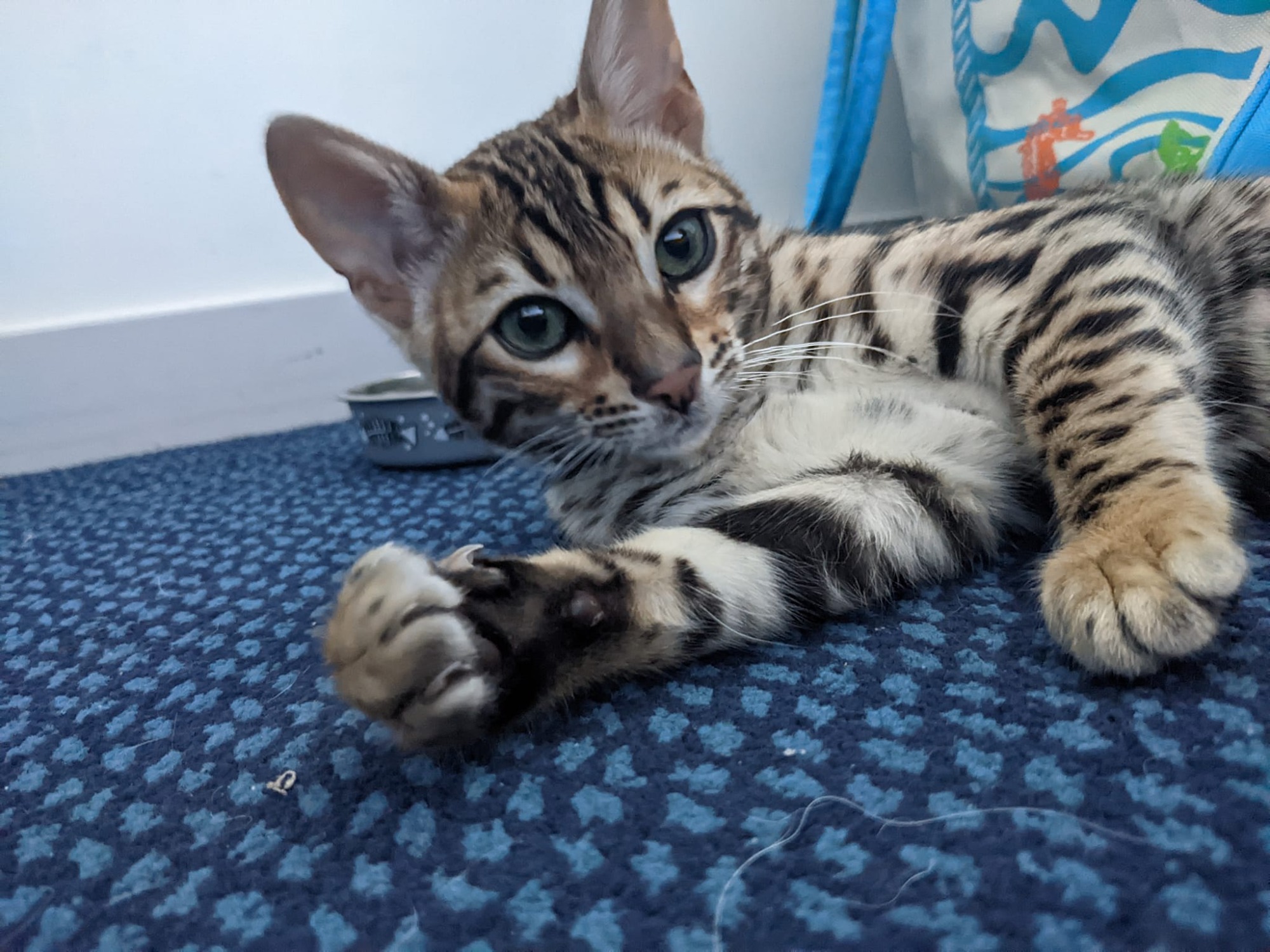
Welcome to a whimsical world of fun and frolic! Bengals are brilliant, chaotic little geniuses — living with one is basically sharing a house with a toddler, a parkour athlete, and a stand‑up comedian rolled into one. They thrive on noise, play, and constant stimulation, you’re dealing with a classic high‑drive Bengal personality. A few strategies make life smoother and a lot more fun.
Daily stimulation that actually satisfies a Bengal
Structured play sessions Two or three intense 10–15 minute sessions a day work wonders. Think hunting-style play: wand toys, feathers, fast unpredictable movements. Bengals need to “win” at the end to feel satisfied.
Rotate toys constantly They get bored fast. Keep 4–5 toys out and rotate weekly so everything feels new.
Puzzle feeders and foraging toys These keep their brain busy and reduce attention‑seeking noise. Bengals love working for food — it taps into their natural problem-solving instincts.
Managing the noise (without shutting down their personality)
Respond to noise with redirection, not attention If they shout for entertainment, don’t reward it with immediate play. Instead, wait for a moment of quiet, then initiate something fun. They learn fast.
Give them a “job” Bengals love purpose. Hide treats around the house, set up mini obstacle courses, or teach simple tricks. A mentally tired Bengal is a quieter Bengal.
Environmental upgrades that make a huge difference
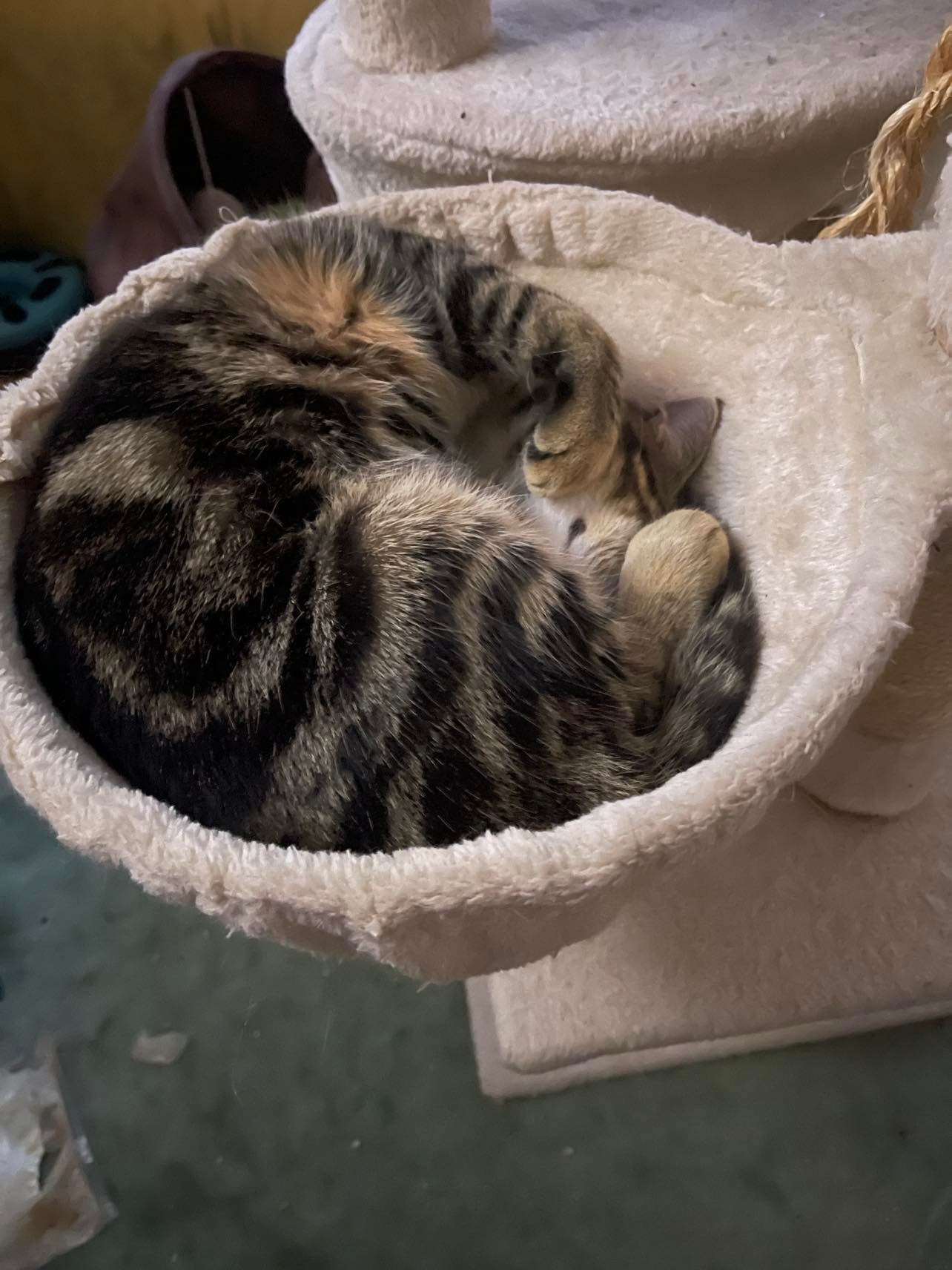
Vertical space Cat trees, shelves, window perches — Bengals feel calmer when they can climb and survey their territory.
Safe outdoor access A catio or supervised harness walks burn off a lot of energy. Bengals often take to harness training better than most breeds.
Interactive tech Automatic laser toys, motion-activated toys, or even pet cameras that let you talk to them can help when you’re busy.
Social strategies that keep the peace
Predictable routines Bengals thrive on structure. Feeding, play, and quiet time at roughly the same times each day help regulate their behaviour.
Teach boundaries early If they get overstimulated and bite during play, switch to toys that keep your hands at a distance. They’re not being aggressive — they’re just wired like tiny leopards.
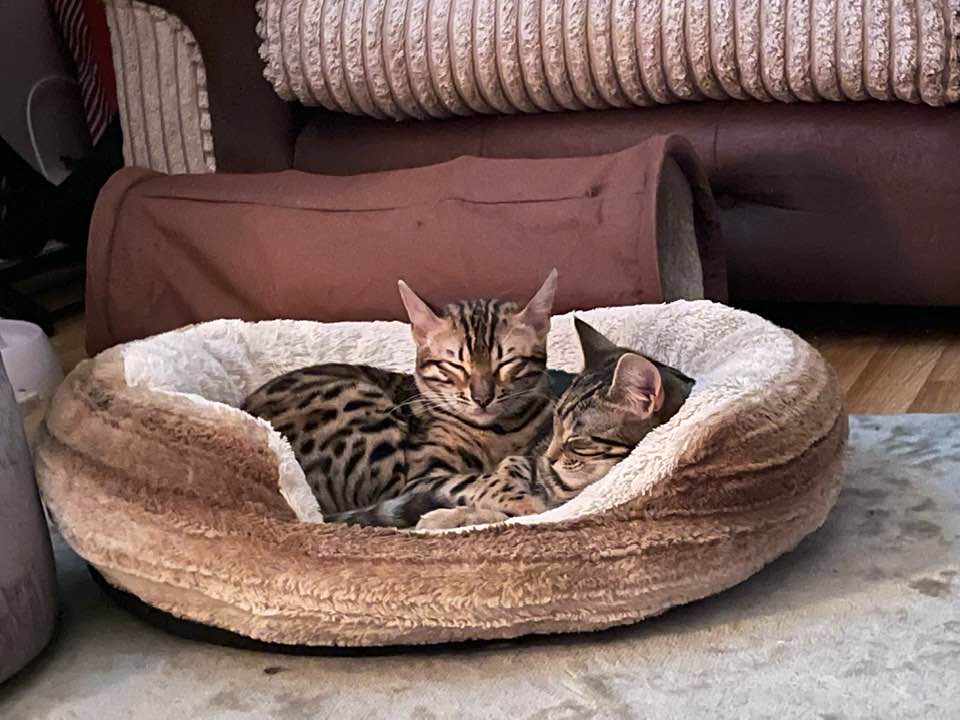
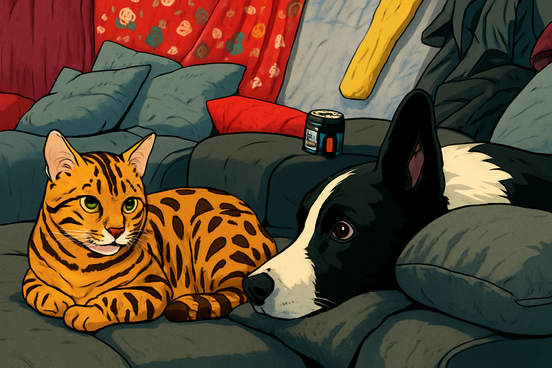
Consider a second pet Some Bengals do brilliantly with a playmate, especially another energetic cat. But it depends on personality, so it’s not a universal fix. They normally get on well with dogs.